





Walking Canes | Walking Sticks | Shopping Cart | Information | FAQs | Site Map
Return to Walking Canes home

Click here to see our deals on walking canes and accessories!
Walking canes Walking canes Walking sticks and hiking sticks Walking canes by material Walking cane accessories Walking cane sizing charts and information Best selling walking canes


Walking Canes home > Walking Canes in the news > Your Guide to Physical Therapy

Your Guide to Physical Therapy

Click here to view all walking canes.

From Laura Inverarity

Canes are just one of several devices available to assist in ambulation, or walking. Using a cane improves balance by increasing a person’s base of support. When used correctly, canes unload the leg opposite to the hand the cane is in by up to twenty five percent. There are four categories of canes on the market today, each providing a slightly different amount of assistance.

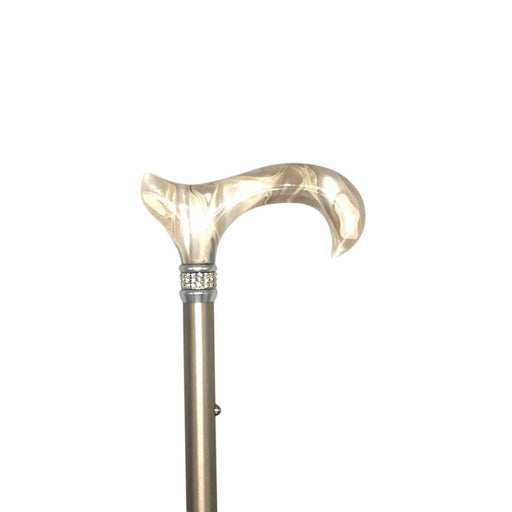
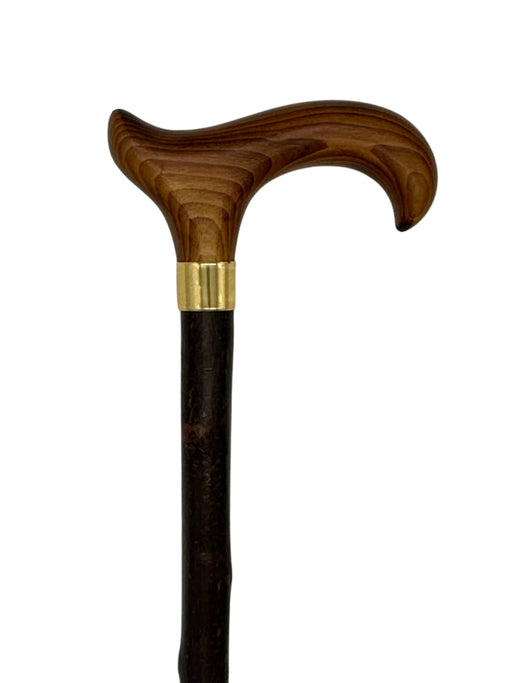
The C cane is a single straight cane with a curve forming a handle at its top. This is the most simple of all canes. It assists in improving balance by the mechanism described above. Straight canes should be used by the patient needing only slight assist with balance or only minimal unweighting of the opposite leg.

Functional grip canes are similar to the c cane except for the handle.

A functional grip cane has a straight grip handle rather than a smooth curve. This allows for a better grip by the patient. Improved grip allows for better cane control and hence offers more support than the c cane. Functional grip canes are appropriate for the patient who needs slightly more balance assistance than the c cane provides.
A cane with a rectangle base and four small supports that contact the floor is called a quad cane. This base provides more support than the above two canes. Quad canes come in two varieties depending on the size of the rectangle base. Appropriately they are categorized as small base and large base quad canes. The quad cane is helpful for patients needing much more balance assistance than provided by the c and functional grip canes. Quad canes are often used by the person with hemiplegia, or paresis of one arm, leg, or both.

The last cane overviewed is called the hemiwalker. This cane combines the features of a quad cane and a walker. Its base is much larger than any of the described canes above, thus providing the most patient support. Hemiwalkers also provide an additional amount of lateral support. Patients with more severe hemiplegia or those transitioning from using a walker to a cane will benefit from the use of a hemiwalker.

Lastly, it is important to appropriately size canes. When standing, the arm that is grasping the cane should have a twenty degree bend in the elbow. If there is any confusion, ask your local physical therapist for assistance.

http://physicaltherapy.about.com/od/devicesandorthotics/a/canetypes.htm?terms=walking+cane

Return to the Walking Canes news center


HACKER SAFE certified sites prevent over 99.9% of hacker crime.

Jump to most popular cane search results:

Walking Canes | Walking Sticks | Hiking Sticks | Hiking Staffs | Daily Use | Hiking Poles | Wooden Shaft | Folding Type
Adjustable | Aluminum | Acrylic | Fashion | Formal | Palm Grip

Walking Canes and Sticks | View Product Catalog | Security and Exchanges | Shipping | Contact us | News Center | Link to us
Copyright © 1998 - 2007