



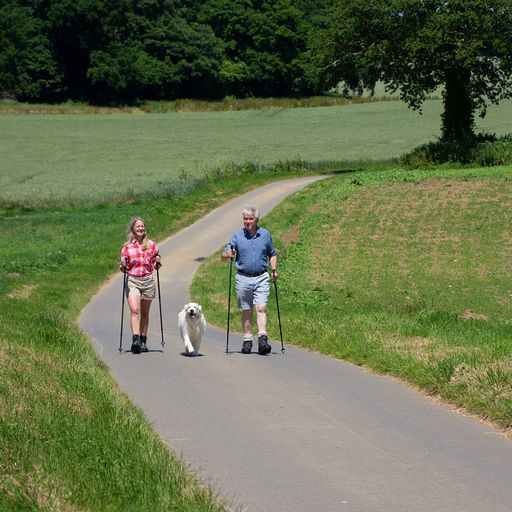















Walking on the Trail: How to Stay Safe While HikingEdward Siceloff - Author Biography Recently, there has been an increased push towards physical activity by individuals of all ages living in the United States. While there is a number of ways in which citizens can increase their physical activity, hiking has become one of the most popular. Hiking is not only a great form of exercise, but allows participants to enjoy the great outdoors. Individuals who are interested in learning more about hiking should first recognize common mistakes made during the activity; learn about hike preparation, and how to maintain safety during and after a hike. Park rangers or recreational professionals can be great resources when it comes to learning more about hiking safety. Common Mistakes Made on the Trails Though there is no question that hiking is an enjoyable, popular activity, it is not fool-proof. Individuals who have never participated in a hike before are especially likely to fall victim to some of the most common mistakes associated with the activity. Some of these mistakes include failing to identify a pre-determined hiking trail before starting out, running out of food or water, and getting lost. In most cases, these mistakes can be prevented with adequate, pre-hike preparation.
As mentioned above, adequate preparation is essential for individuals who wish to achieve success while going on a hike. Before starting out, hikers should make sure that they are dressed properly for the event, have adequate amounts of food and water, and have access to a cell phone in case of emergency. In addition, hikers are generally encouraged to tell another person that they are planning to embark on the activity before starting the hike. This is especially important for solitary hikers, who may require emergency rescue.
During the Hike While pre-hike preparation is essential to ensuring optimal results when it comes to hiking, the regular evaluation of physical and emotional status during the activity is also quite essential. Stopping to drink water—even if no signs of thirst are present—can be an effective way to prevent potentially life-threatening dehydration. Similarly, frequently stopping to check map location and destination points can be essential to avoid getting lost in unfamiliar hiking areas. Finally, endurance hikers should be sure to eat small snacks and meals over the course of the day to prevent hypoglycemia—or low blood sugar—which can lead to coma or death.
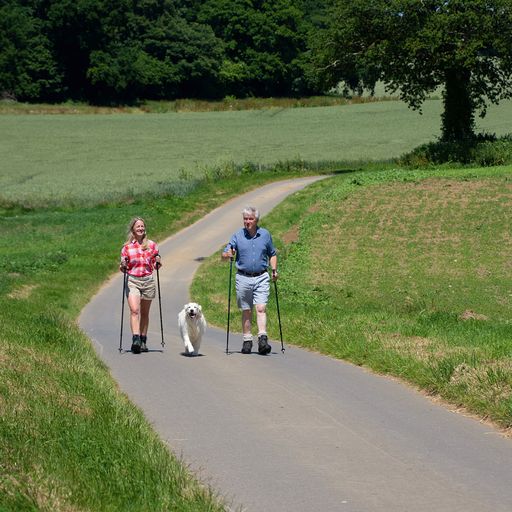
Hiking is often considered to be a solitary activity. While this may be true for some individuals, others prefer to bring all members of their family along for the hike. When hiking with the family, make sure that the chosen path is fit for all members of the family. Young children or elderly adults may not be able to complete some of the hiking trails that younger family members may prefer.
After the Hike The completion of a challenging hike is often a highly rewarding period of time. While many hikers will feel exhilarated, it is important to differentiate between signs of elation and those of fatigue. After a hike, consuming a high-quality meal is essential to nourish the body and restore depleted nutrient levels is important. In most cases, this meal should be balanced and contain protein, carbohydrate, and fat.
Return to the Walking Canes Articles and Stories
Adjustable
Collectible
Decorative
Designer
Fashion and Style
Folding & Collapsible
Hand Carved
Hand Painted
Heavy Duty
Ladies Canes
Lightweight
Men's Canes
Xtra Tall
Blackthorn
Classic Country Sticks
Folding Hikers
FreeForm Sticks
Hiking Staffs
Sport Related
Traditional Sticks
Trekking Poles
Alpacca Silver
Anatomically Correct
Ball
Crook or Tourist
Derby
Fritz
Hame Knob
Offset
Palm
Soft Touch
T-Handle
Blind - Visually Impaired
Cane Umbrellas
Chair-Seat Type
Crutches
Dog Breeds
Funky Style
Medical Equipment
Unique Gift Items
Quad Base
Brandy Cane
|
|
Copyright © 2012 All Rights Reserved
|